“I used honey instead of sugar today, so I ate healthy!”

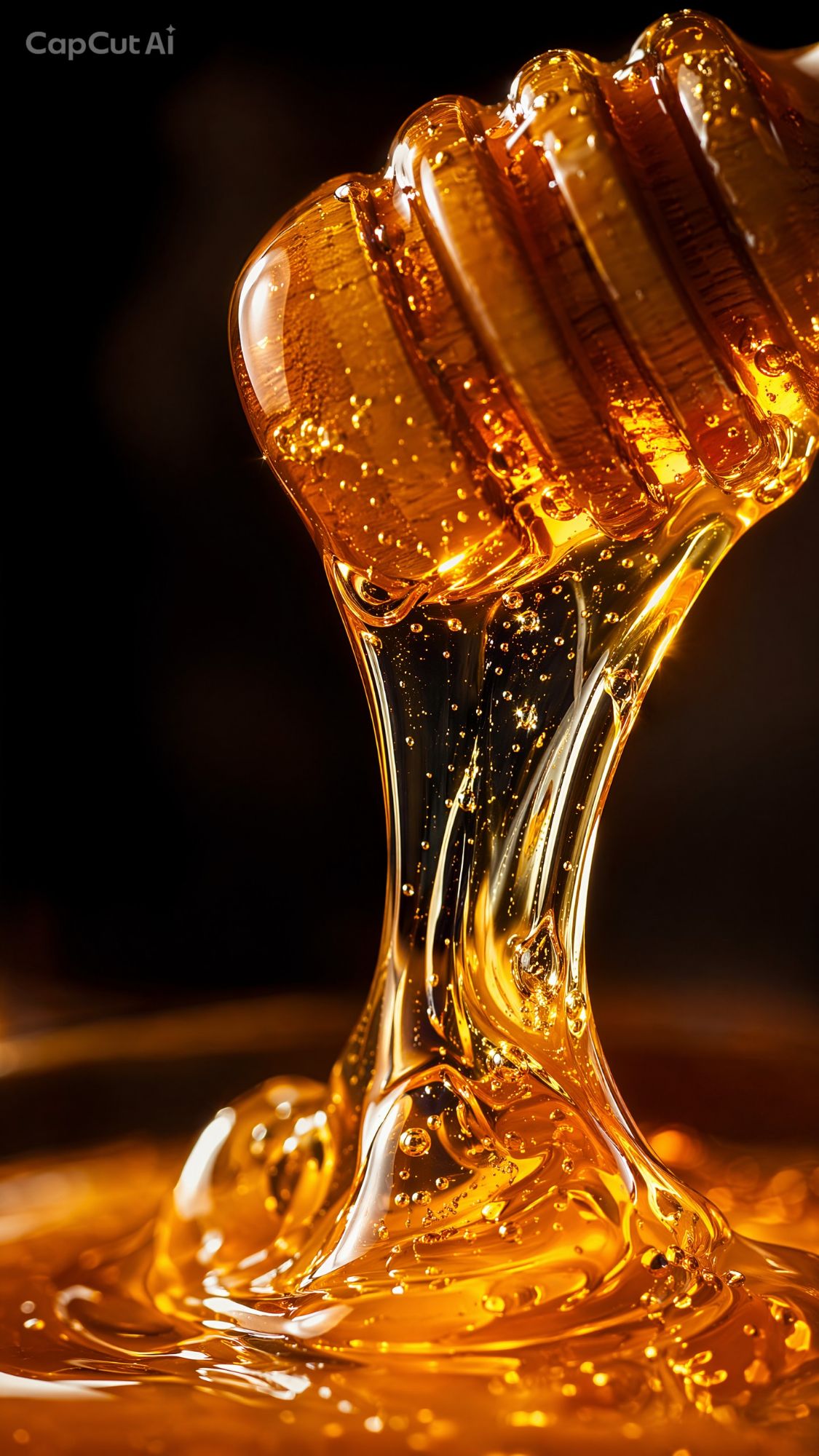
A spoonful of honey in your coffee. A drizzle over yogurt. Toast covered in a waterfall of golden honey.
Have you ever thought to yourself,
“I quit sugar. I’m eating healthy now!”
Unfortunately, your body doesn’t read the word “natural” on the honey jar.
Your body only asks one question:
“So… how much sugar just came in?”
Honey does contain a few more beneficial nutrients than table sugar. But that doesn’t mean it’s a free pass to eat as much as you want.
Today, let’s uncover the truth about honey vs. sugar, how honey affects calories and blood sugar, and the smartest way to enjoy it—without falling into the sweet trap.
🍯 Is Honey Really Healthier Than Sugar?
Here’s the short answer:
Honey contains slightly more nutrients than sugar, but both are still concentrated sources of sugar.
Honey naturally contains small amounts of antioxidants, minerals, and plant compounds.
Table sugar is mostly sucrose and provides virtually no vitamins or minerals.
So yes, nutritionally speaking, honey has a slight advantage.
The important word is…
Slight.
Eating one spoonful of honey won’t suddenly make your arteries sparkle while tiny bees scrub your blood vessels clean.
Most of honey’s beneficial compounds exist in relatively small amounts.
Its primary ingredients are still glucose and fructose.
😱 Most of Honey Is Still Sugar
Honey comes from flowers.
It’s natural.
But natural doesn’t mean sugar-free.
When you eat honey, your body still processes it as carbohydrates and sugars.
Many people say,
“But honey comes from nature!”
That’s true.
But nature doesn’t magically erase calories.
Sugar cane grows naturally.
Rice grows naturally.
“Natural” is not the same thing as “eat unlimited amounts.”
Think of it this way:
Sugar walks in wearing ordinary clothes.
Honey walks in wearing a fancy golden suit.
Different outfit.
Same sugar.
Your body still counts both.
🍯 How Many Calories Are in One Tablespoon of Honey?
One tablespoon (about 21 g) of honey contains approximately:
- 64 calories
- 17 grams of sugar
Table sugar can vary slightly depending on how much fits in a spoon, so comparing “one spoonful” isn’t always accurate.
The better comparison is grams of sugar and calories listed on the nutrition label.
Honey also tastes sweeter than sugar, meaning you may need less.
Unfortunately…
Many people don’t use less.
“I’m eating healthy!”
“One more spoon won’t hurt.”
Then another.
Then another.
Before long…
The only thing getting lighter is the honey jar.
📈 Does Honey Raise Blood Sugar?
One of the biggest myths is:
“Honey doesn’t raise blood sugar because it’s natural.”
That’s false.
Honey contains sugars and can raise blood glucose levels.
Replacing sugar with honey doesn’t automatically make a meal diabetes-friendly.
Blood sugar responses vary depending on:
- The type of honey
- Portion size
- What you eat with it
- Your individual health
But that does not mean honey is “safe” for blood sugar.
If you have diabetes or prediabetes, honey should still count as part of your total sugar intake.
Imagine this conversation inside your body:
“Honey has arrived!”
“Is it sugar?”
“Yes.”
“Then process it like sugar.”
⚖️ Will Honey Help You Lose Weight?
Simply replacing sugar with honey does not cause weight loss.
What matters most is your total daily calorie intake and overall eating habits.
If replacing sugar with honey causes you to eat more sweet foods…
You’re still consuming extra calories.
For example:
A little honey in plain yogurt?
Reasonable.
But yogurt…
Plus granola…
Plus banana…
Plus nuts…
Plus three giant drizzles of honey…
That’s no longer a “healthy snack.”
That’s a calorie party.
If you’re trying to lose weight, use honey instead of sugar, not in addition to sugar.
✅ Smart Ways to Enjoy Honey
You don’t have to eliminate honey.
Just remember that honey is a sweetener—not a health supplement.
1. Use a Teaspoon Instead of a Tablespoon
Smaller spoons naturally reduce portion sizes.
Sometimes your appetite isn’t the problem…
It’s the spoon.
2. If You Add Honey, Reduce Other Sweet Foods
Don’t add honey to foods that are already loaded with sugar.
Honey should replace sugar…
Not become sugar’s best friend.
3. Add Small Amounts to Plain Foods
Honey works well in:
- Plain yogurt
- Oatmeal
- Tea
Avoid adding it to sugary cereals, desserts, or sweetened drinks.
4. Read the Ingredient Label
Packages that say:
“Honey”
“Made with Honey”
“Honey Flavor”
may contain very little real honey while being loaded with syrups or added sugar.
The cute bee on the front isn’t always telling the whole story.
The nutrition label usually is.
👶 Why Babies Under One Year Should Never Eat Honey
Honey should never be given to infants under 12 months of age.
It may contain spores of Clostridium botulinum, which can cause infant botulism, a rare but serious illness.
Even cooked or mixed honey should be avoided for babies under one year old.
This safety advice is completely separate from concerns about sugar intake.
🤔 Frequently Asked Questions
Is honey healthier than sugar?
Honey contains small amounts of antioxidants and nutrients that sugar lacks.
However, it’s still high in sugar and calories.
Does honey raise blood sugar?
Yes.
Honey can increase blood glucose and should be consumed in moderation.
Can I eat honey while dieting?
Yes—in small amounts.
Your total calorie intake matters much more than choosing honey over sugar.
Does drinking honey water every morning burn fat?
No.
Honey water doesn’t directly burn body fat.
It still adds sugar and calories to your diet.
How much honey should replace sugar?
There isn’t one perfect amount.
Start with half a teaspoon, taste, and only add more if necessary.
😂 Your Friendly Neighbor Says…
You replaced sugar with honey…
Then poured two spoonfuls onto toast…
Added honey to your latte…
Swirled more into yogurt…
Your body might announce:
“Attention: Natural sugar has successfully entered the building.”
The bees worked incredibly hard.
Unfortunately…
They don’t manage your waistline.
✅ Final Takeaway
Honey may be slightly more nutritious than regular sugar because it naturally contains antioxidants and small amounts of beneficial compounds.
However…
Honey is still mostly sugar.
It still contains calories.
It still affects blood sugar.
The healthiest habit isn’t simply replacing sugar with honey.
It’s gradually reducing your overall craving for sweetness.
So next time you reach for the honey jar, remember:
Don’t think, “It’s honey, so it’s healthy.”
Think instead:
“It’s still sugar… so a little goes a long way.”
Sweetness lasts for a moment.
Healthy habits last much longer.
🚨 “Heart Racing After Coffee?” 7 Warning Signs of Caffeine Overdose You Should Never Ignore!
Disclaimer: This article is for general educational purposes only and is not intended to diagnose, treat, or replace professional medical advice. If you have diabetes or another medical condition, consult your healthcare provider or a registered dietitian.

Labels
honey, sugar, honey vs sugar, honey benefits, honey side effects, honey calories, honey blood sugar, honey and diabetes, sugar substitute, honey for weight loss, honey water, morning honey water, natural honey, raw honey, honey nutrition, how to eat honey, blood sugar control, diabetic diet, reduce sugar, healthy sweeteners, healthy diet, weight loss diet, middle age health, health tips, nutrition information
🚨 “Heart Racing After Coffee?” 7 Warning Signs of Caffeine Overdose You Should Never Ignore!
댓글 남기기